
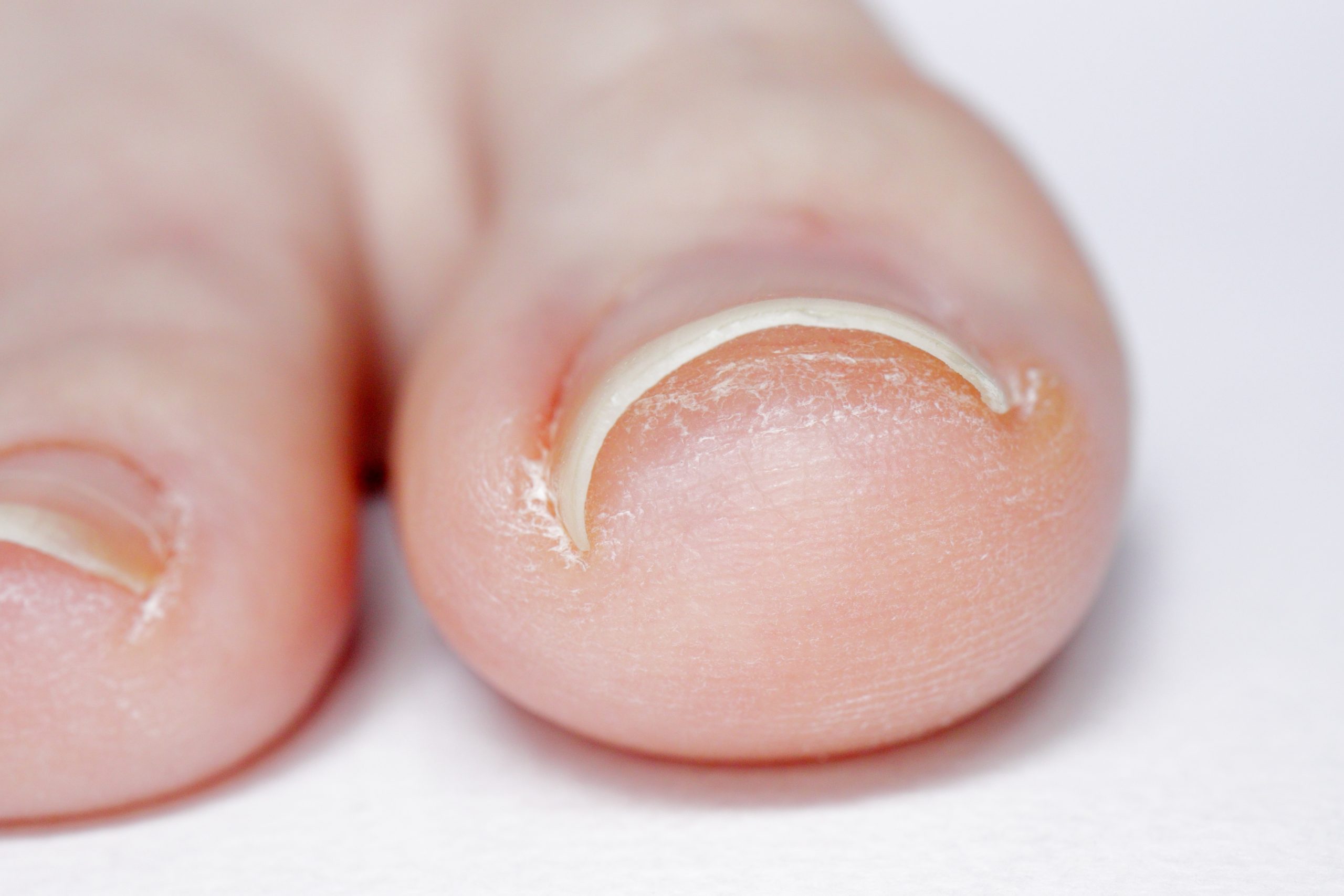
Relief from a painful nail before infection sets in
An ingrown toenail can lead to a serious infection and constant pain, so it isn’t something to ignore. At North Star Foot & Ankle Associates, R. Jeffrey Doyle, DPM, and H. Aden Huynh, DPM, offer in-office ingrown toenail treatment for patients in Garland, TX, so you can expect fast and effective relief. Book your appointment online today or call the office directly to schedule a visit.
Book OnlineWhat causes an ingrown toenail?
Ingrown toenails form gradually as the nail grows into the soft flesh surrounding your nail bed. They’re most common on the big toe, on one or both sides, but any toenail can become ingrown. Your risk may increase if you have any of the following:
- Toenails trimmed too short
- Toenail edges rounded out instead of cut straight across
- Socks or shoes that are too tight
- Unusually curved toenails (pincer nails)
If you’ve had a fungal infection in the past, your risk of an ingrown toenail is higher. Our team also treats nail fungus, which can thicken and distort the nail.
Do I need treatment for an ingrown toenail?
Yes. An ingrown toenail is never something to overlook or try to treat on your own. Wounds on the feet are prone to serious infection, especially if you have poor circulation, which is common with diabetes. If you have diabetes, learn more about our diabetic foot care.
Without proper treatment, an ingrown toenail can become severe enough that the infection spreads into the bone, which is a complex medical problem. The podiatry team at North Star Foot & Ankle Associates encourages you to come in soon for an evaluation if you notice any of these signs:
- Redness
- Tenderness
- Inflammation
- Oozing or pus
These can be early signs of an ingrown toenail infection that needs prompt medical attention.
How are ingrown toenails treated?
Your treatment depends on how severe the ingrown toenail is and whether an infection is present. Care may include:
- Nail lifting with a splint
- Epsom salt soaks
- Oral antibiotics
Ingrown toenail surgery is an in-office procedure performed with a numbing injection. Your podiatrist removes the ingrown portion of the nail and treats the infection directly.
If your toenail is severely ingrown, or you keep developing ingrown toenails, your podiatrist may recommend removing the nail entirely. As a last resort, the nail root can be destroyed or removed so the problem nail does not grow back.
Before your ingrown toenail gets worse, schedule an evaluation at North Star Foot & Ankle Associates. You can book online or by phone.
Ingrown toenail questions we hear often
Can I treat an ingrown toenail at home?
Mild tenderness may calm down with warm soaks, but cutting into the nail or digging out the edge yourself often makes things worse. If the toe is red, swollen, draining, or getting more painful, see a podiatrist. Home treatment is especially risky if you have diabetes or poor circulation.
How do I know if my ingrown toenail is infected?
Signs of infection include increasing redness, swelling, warmth, throbbing pain, and oozing or pus around the nail. If you notice any of these, call our Garland office promptly so we can evaluate the toe.
Does ingrown toenail surgery hurt?
The procedure is done in the office after a numbing injection, so the toe is numb during treatment. Some soreness is common as the numbness wears off, and your podiatrist will explain how to manage it.
How long does it take to recover after treatment?
Recovery varies with the type of treatment and the severity of the problem. Many patients are able to return to normal daily activities quickly, and we give you clear aftercare instructions for keeping the toe clean and protected as it heals.
Will my toenail grow back after it is removed?
If only the ingrown portion or the whole nail is removed, the nail usually grows back over time. If the nail root is destroyed or removed as a last resort, the treated part of the nail will not grow back. Your podiatrist will recommend the right approach for your toe.
How can I prevent ingrown toenails?
Trim your toenails straight across and avoid cutting them too short or rounding the corners. Wear shoes and socks that give your toes enough room, and have curved or thickened nails checked by a podiatrist.
Is an ingrown toenail more serious if I have diabetes?
Yes. Diabetes can reduce circulation and feeling in your feet, which makes it easier for an infection to develop and harder to notice. If you have diabetes and an ingrown toenail, see a podiatrist right away rather than treating it yourself.
Don’t let a sore toe get worse
Call (972) 480-0072 or book online to have your ingrown toenail evaluated by the podiatrists at North Star Foot & Ankle Associates.