
Get clearer, healthier nails with a treatment plan built for you
A yellow tint on your nail is worth a visit to R. Jeffrey Doyle, DPM, or H. Aden Huynh, DPM, at North Star Foot & Ankle Associates. Nail fungus can be unsightly and embarrassing, but it is common and treatable. To find out if fungus is behind your nail’s discoloration and start effective, personalized treatment, call our Garland, TX office today or schedule your appointment online.
Book OnlineWhat is nail fungus?
Nail fungus is extremely common, affecting as many as 12% of people. It becomes increasingly prevalent as you age, and older adults are the most likely to develop it.
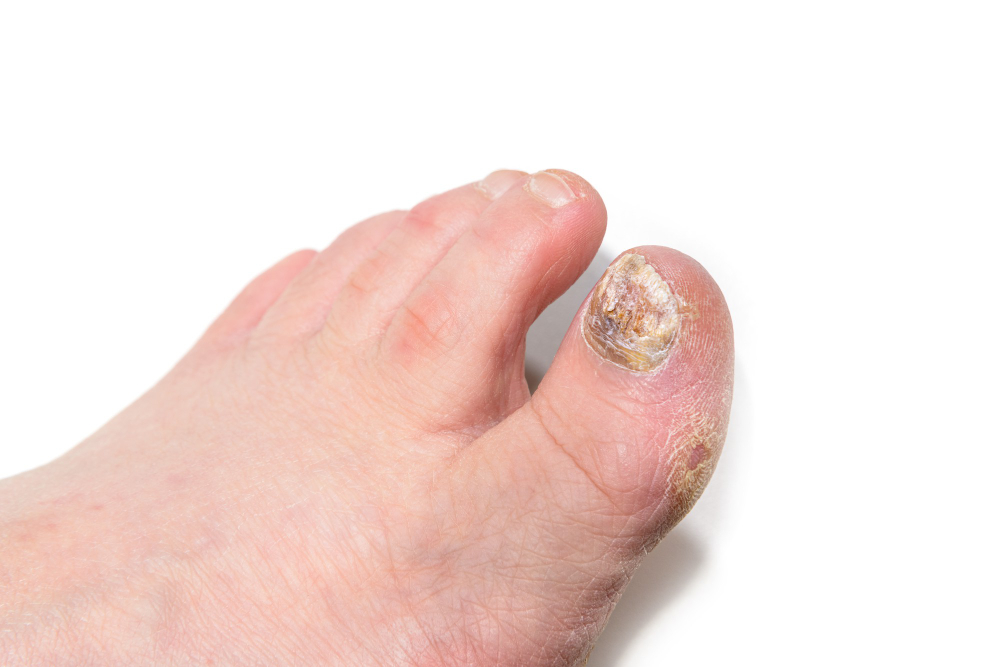
In its early phases, nail fungus is characterized by white or yellow spots under the nail. If left untreated, symptoms will worsen. Common symptoms of later stages include:
- Discoloration that can be white, yellow, or brown
- Pain under the nail
- Nail thickening
- Odor
- Crumbling at the edge of the nail
- Shape distortion
Nail fungus is very treatable. Setting up an appointment with North Star Foot & Ankle Associates is the best way to get the fast, effective care you need to protect your nail’s long-term health. Our podiatrists start treatment early, identify the cause of the fungus, and personalize your care.
What causes nail fungus?
Anyone can develop a fungal infection of the nail, but certain risk factors raise your odds. Those include:
- A history of athlete’s foot
- Age
- Excessive sweating
- An injury to the nail or the surrounding skin
- Diabetes
You can also pick up nail fungus by walking barefoot in shared spaces, especially damp ones like locker rooms, pools, and gyms. If you have diabetes, regular foot checks matter even more, and our diabetic foot care services can help you stay ahead of infections.
How is nail fungus treated?
During your appointment at North Star Foot & Ankle Associates, your podiatrist will identify the type of fungus affecting your nail. Additional lab tests may be needed to get an accurate diagnosis.
Then, we customize a treatment plan for you. That plan might include mechanically treating your nail (trimming it or, in extreme cases, surgically removing part or all of the nail), applying topical medication, or prescribing systemic treatment. With systemic treatment, you take capsules or tablets by mouth to clear the fungal infection from your body.
This combination of physical nail maintenance and antifungal medication is an effective way to eliminate nail fungus so you can enjoy healthy nails.
If you’re experiencing any of the symptoms above and want an accurate diagnosis, call North Star Foot & Ankle Associates or book your appointment online.
Nail Fungus FAQs
How do I know if my nail discoloration is a fungal infection?
Fungus often starts as a white or yellow spot under the nail and can progress to thickening, crumbling, odor, or a distorted shape. Other conditions, including injury and psoriasis, can look similar, so a podiatrist’s exam is the best way to confirm the cause.
Will nail fungus go away on its own?
Nail fungus rarely clears up without treatment, and it tends to worsen over time. Starting care early generally makes treatment simpler and helps protect the nail.
Do I need lab tests to diagnose nail fungus?
Sometimes. Your podiatrist will examine the nail and may recommend lab tests to identify the exact type of fungus so your treatment plan is accurate and effective.
What treatment options are available for nail fungus?
Treatment is personalized and may include trimming or debriding the nail, topical antifungal medication, or oral antifungal medication. In severe cases, part or all of the nail may be removed.
How long does it take to get rid of nail fungus?
Nails grow slowly, so it can take several months for a healthy nail to grow out fully. Your podiatrist will explain what to expect based on the type and severity of your infection.
Can I get nail fungus from a gym or pool?
Yes. Fungus thrives in warm, damp places such as locker rooms, pools, and shared showers. Wearing sandals or shower shoes in these areas helps lower your risk.
Is nail fungus more serious if I have diabetes?
It can be. Diabetes raises the risk of nail fungus and of complications from foot infections, so it’s important to have any nail changes checked promptly by a podiatrist.
Ready to get your nails looking and feeling healthy again?
Call (972) 480-0072 or request a visit online, and our Garland team will help you find the right treatment for your nails.